PART MOVEMENT. PART SOCIAL. ALWAYS BOTH.

SIGNATURE SERIES · BROOKLYN
Good Saturdays
Every Saturday should be a Good Saturday. Group run, Hyrox, team workout, mat strength session — followed by a neighborhood party with food, drinks, and DJs.
See the series →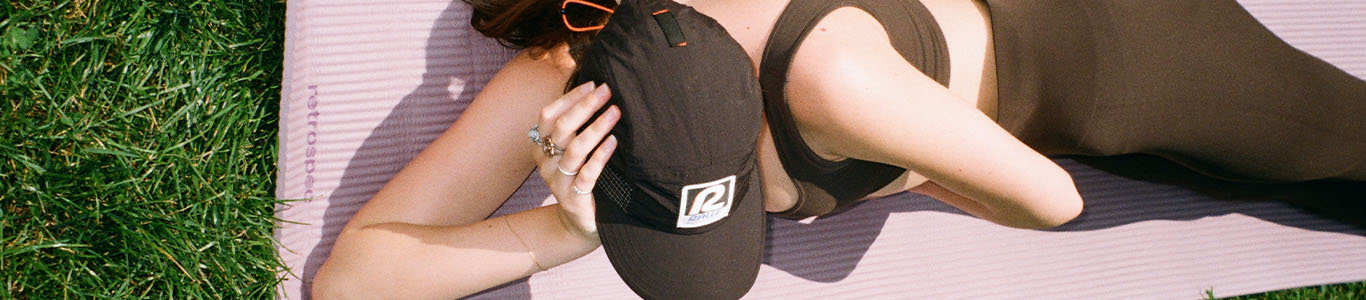
EVENTS
New York City
Run clubs, yoga flows, HYROX workouts, hikes, trail runs, workshops. Reserve your spot below. New events drop every week.
Good Saturdays
Every Saturday should be a Good Saturday.
One ticket. The full day.
The workout runs 12 to 2 inside Element Training Club on Grand Street. At 2 the doors open and the room flips — DJ, food truck, vendors, art, thrift, and a lot of good people in one room until 4. Your ticket carries you through both halves.
-
12:00
Doors open
Welcome and mingling. Find your group, drop your bag.
-
12:15
Warm-up
Light work to start. You'll know your team before you sweat.
-
12:30
Round 1 · First format
Three formats run in parallel. You'll move with one of the three groups.
-
1:15
Transition
Quick reset, water, swap groups.
-
1:30
Round 2 · Second format
Pick your second of three. Everyone finishes at the same time.
-
2:00
The Social opens
DJ on. Food truck out front. Vendors, art, thrift inside. Non-alc drinks and bites on us.
-
4:00
Close
Last call on the room. See you in two weeks.
Pick two of three.
Three formats run in parallel inside Element Training Club. You'll cycle through two of them with built-in transition time. No prerequisites. No tiers.
- Two of three workout formats
- Coach-led programming — Element × Ralle
- Food truck perks and bites
- Brand giveaways and prizes
- Full afternoon at the social
- Workout shoes (trainers we recommend)
- Water bottle
- A change of clothes for the social
- BYOB if you want a drink
- A friend
Five Saturdays. All summer.
- May 30 The Workout + The Social Past
- Jun 20 The Workout + The Social Past
- Jul 11 The Workout + The Social Past
- Aug 1 The Workout + The Social Past
- Aug 29 The Workout + The Social Past
Back next summer.
Good Saturdays is on break for the season. We'll be back next summer — follow @rallemovements for first dibs when tickets drop.
A note on movement: Ralle events are community-led and offered as-is. By signing up, you accept that you participate at your own risk and are responsible for knowing your own limits. If you have a medical condition, are pregnant, or are unsure whether an activity is right for you, check with a healthcare provider first. Ralle, its leads, and partner venues are not liable for injury, loss, or damage that may occur before, during, or after an event.
SHOP
No items in this category yet. Check back soon.
More items dropping soon. Stay connected.
CONNECT
Our Promise to You.
At Ralle, connection is the work. Every single person who shows up gets welcomed by name — first event or tenth, regular or first-timer, athlete or absolute beginner. You won't stand on the edge wondering if you belong. You'll be introduced, included, and pulled in.
That's not a tagline. It's the job. We move together, we learn each other's names, and we make sure no one leaves a Ralle event still a stranger.
Whether it's a run through city streets, a yoga flow in a café, calisthenics in the park, or a post-workout coffee — everyone is welcome, and everyone gets known.
JOIN THE COMMUNITY →No tryouts. No tiers. No strangers — not after we've said hi.
Our Community Values
Connection
The reason we keep showing up. We learn your name, we introduce you around, and we make sure you leave knowing someone new. Movement is the start. The people are the point.
Movement
Run, flow, climb, hike, lift. Every event has movement at its center, in whatever form fits the moment.
Adventure
New trails, new neighborhoods, new people. We treat every event as a chance to find something we haven't found yet.
Press

Become a Ralle Lead
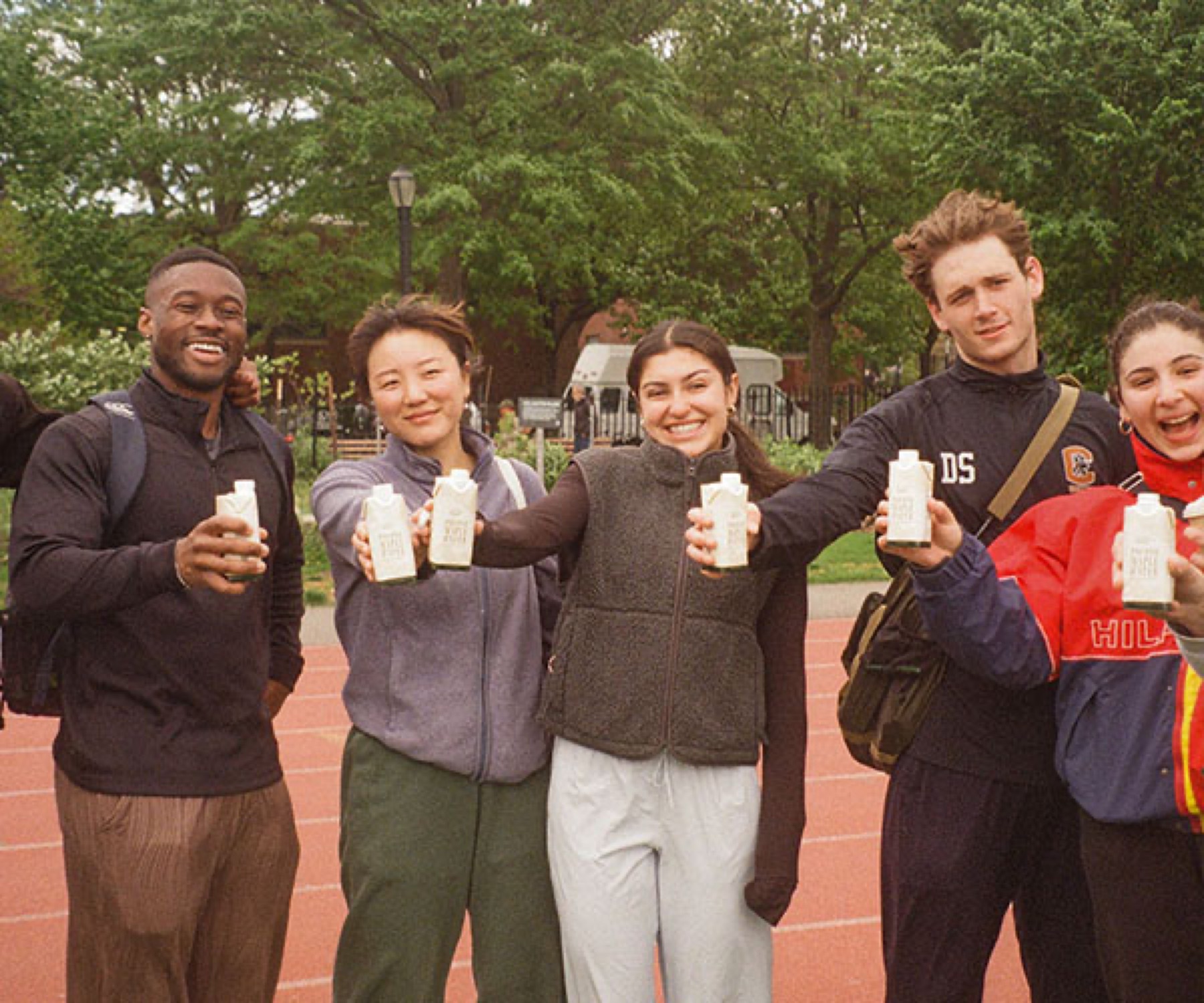
Ralle Leads are the heart of every event: guiding the movement, welcoming new faces, and creating the space where connection happens. If you want to host runs, flows, or hikes in your city, we want to hear from you.
APPLY TO LEAD →FAQ
Note: this only applies to cancelation hold events.
Ralle Movements Event Cancelation Policy
At Ralle Movements, we strive to create intentional and meaningful experiences for everyone in our community. In order to respect the time and energy of our instructors, partners, and fellow participants, we kindly ask that you honor the following cancelation policy:
Reservation Hold. When you register for this event, a $10 hold will be charged to your card. This is not a fee — it is a refundable hold that ensures accountability and helps us manage capacity.
Refund Upon Attendance. You will receive a full refund of the $10 hold on the day of the event upon check-in and participation.
Cancelation Notice. If you need to cancel your spot for any reason, please do so at least 24 hours before the event start time.
Late Cancelations. If you cancel within 24 hours of the event, the $10 hold will be kept as a late cancellation fee to help cover instructor time, logistics, and limited capacity.
No-Shows. If you do not attend the event and haven't canceled, the $10 hold will also be kept as a no-show fee.
How to Cancel. Cancelations must be submitted via the method you used to register (Wix event page) or via email. Confirmation of your cancelation will be sent via email.
Thank you for being thoughtful with your RSVP. We're committed to keeping our events accessible and community-driven — your accountability helps us do that.
ABOUT
Part Movement. Part Social. Always Both.
Our Story
Ralle started in Minneapolis with Eli, who lost his mom to pancreatic cancer in 2024. Weeks later, he and his friends cleared out his garage and turned it into a small gym where people could come together every day to move and heal.
What began as a way to grieve together quickly grew into something much bigger. This small Minneapolis garage gym grew into a collective hosting weekly events in two cities — guided by Eli's belief that the spaces that helped him through tough times should be accessible to everyone.
The Ralle story was recently featured on Kare 11 News in Minneapolis.
Vision & Mission
Our Vision
To create a global movement where fitness is about connection, not competition. Bringing people together through movement, community, and meaningful conversations.
Our Mission
Ralle fosters an inclusive space where everyone can move freely, build relationships, and find support. We make movement a vehicle for community and personal growth.
3 Movement Pillars
Brand Values
Community First
Movement is better together. Ralle is built on genuine connections, creating a space where everyone feels welcome and supported.
Inclusivity
There are no barriers to movement here. Ralle embraces people of all backgrounds, ages, and abilities.
Authenticity
No egos, no pretenses. Ralle is about showing up as you are, embracing real conversations, and fostering a culture of openness.
Resilience
Strength isn't just physical. It's mental and emotional too. Ralle encourages pushing through challenges, both in movement and in life.
Joy in Movement
Exercise isn't just about progress. It's about presence. Ralle celebrates the fun, freedom, and energy that comes from moving together.
By the Numbers
WHY WE MOVE
Move Together Minnesota
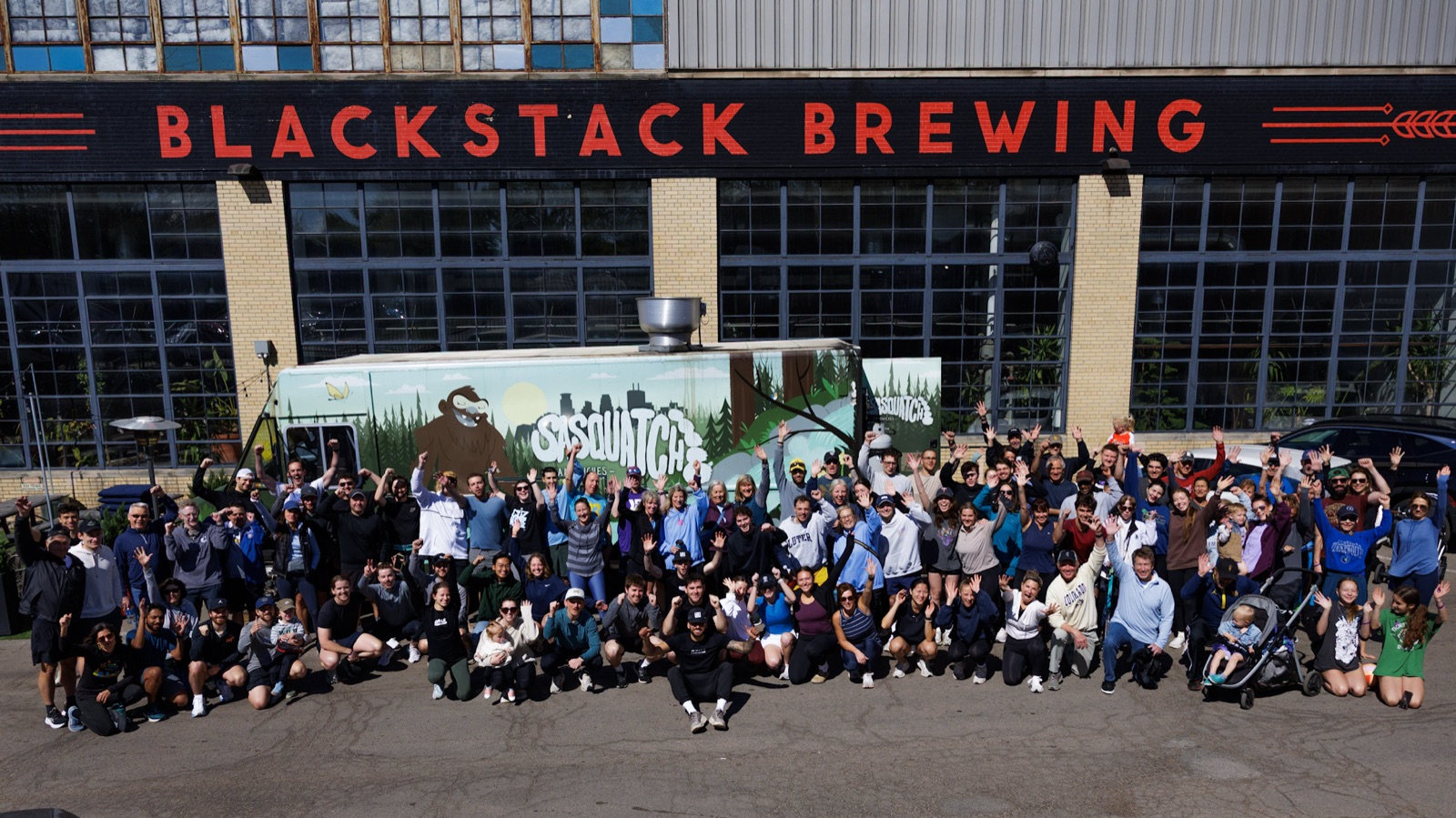
Ralle started in a garage because Eli needed a place to grieve and move after losing his mom to pancreatic cancer. Move Together Minnesota is how that origin shows up in our calendar every year — a community event built to honor her, raise money for PanCan, and remind everyone that the people who show up for us are the reason we keep moving.
Our Beginning
Ralle started in Minneapolis, born from a simple idea: movement is better together. What began as small gatherings of friends running, stretching, and showing up for each other has grown into a community that spans cities. From its grassroots beginnings, Ralle has built something rooted in connection, resilience, and inclusivity.
Move with Us — NYC
Ralle in New York City is for the runners, the yogis, the climbers, the explorers. Find a group, show up, and meet the community.
Move with Us — Twin Cities
Where it all began. Run clubs, yoga, and outdoor meetups across Minneapolis and Saint Paul. Come move, stay for the people.
PARTNERS
PARTNER WITH RALLE
Real community. Real moments. Real brand alignment.
We bring brands into the spaces where movement, culture, and connection already happen — every week, in NYC and the Twin Cities. From product sampling and content creation to custom programming and multi-event series, we design experiences that put your brand inside a community that already shows up.
No one-off banner ads. No surface-level sponsorships. Just lived, shared moments — captured beautifully and remembered.
What We Offer
Product Sampling at Events
Put your product directly in the hands of our 1,000+ active community members. In-context discovery, hands-on, with people who already care about what we're building.
Content Creation
Photo, video, and storytelling captured by our in-house team — shared across Ralle's channels and, when it fits, the personal feeds of our community leads. Native, on-the-ground content that doesn't read like an ad.
Brand Activations
Custom on-site experiences built around your brand's energy. Grand openings, product launches, neighborhood takeovers — we plan, host, and bring the community.
Custom Programming
A specific audience or story to tell? We build the event from scratch with you — format, location, instructors, and the community to fill it.
Multi-Event Series
Build a season-long presence. A four-week yoga series, a quarterly run club, a recurring activation that makes your brand part of the rhythm — not a single date on the calendar.
Featured Activations
Union Square Grand Opening
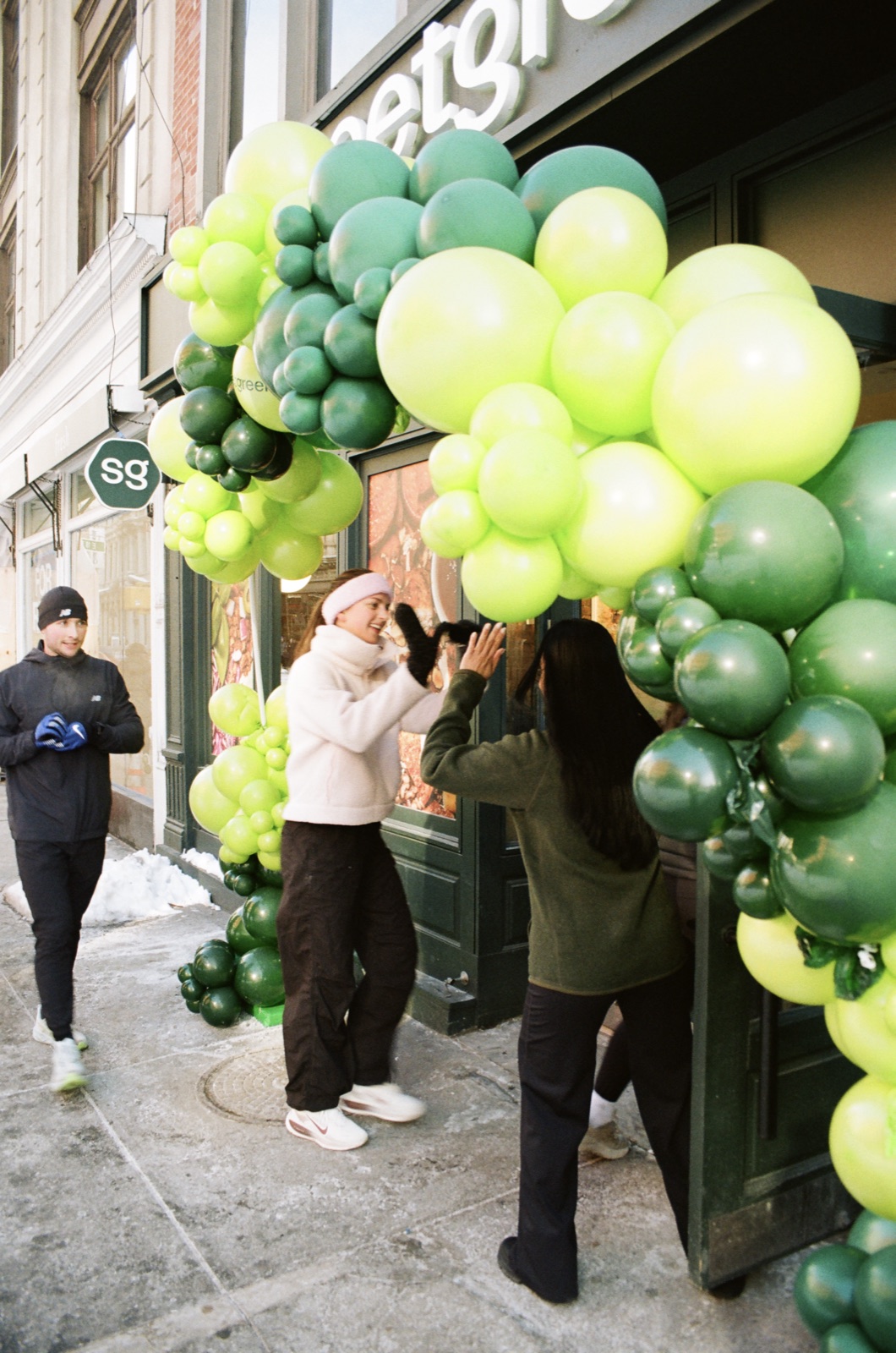
Miles, smiles, and fresh bowls. A brand-new Sweetgreen location in Union Square, NYC — kicked off with a Ralle group run and an opening party experience.
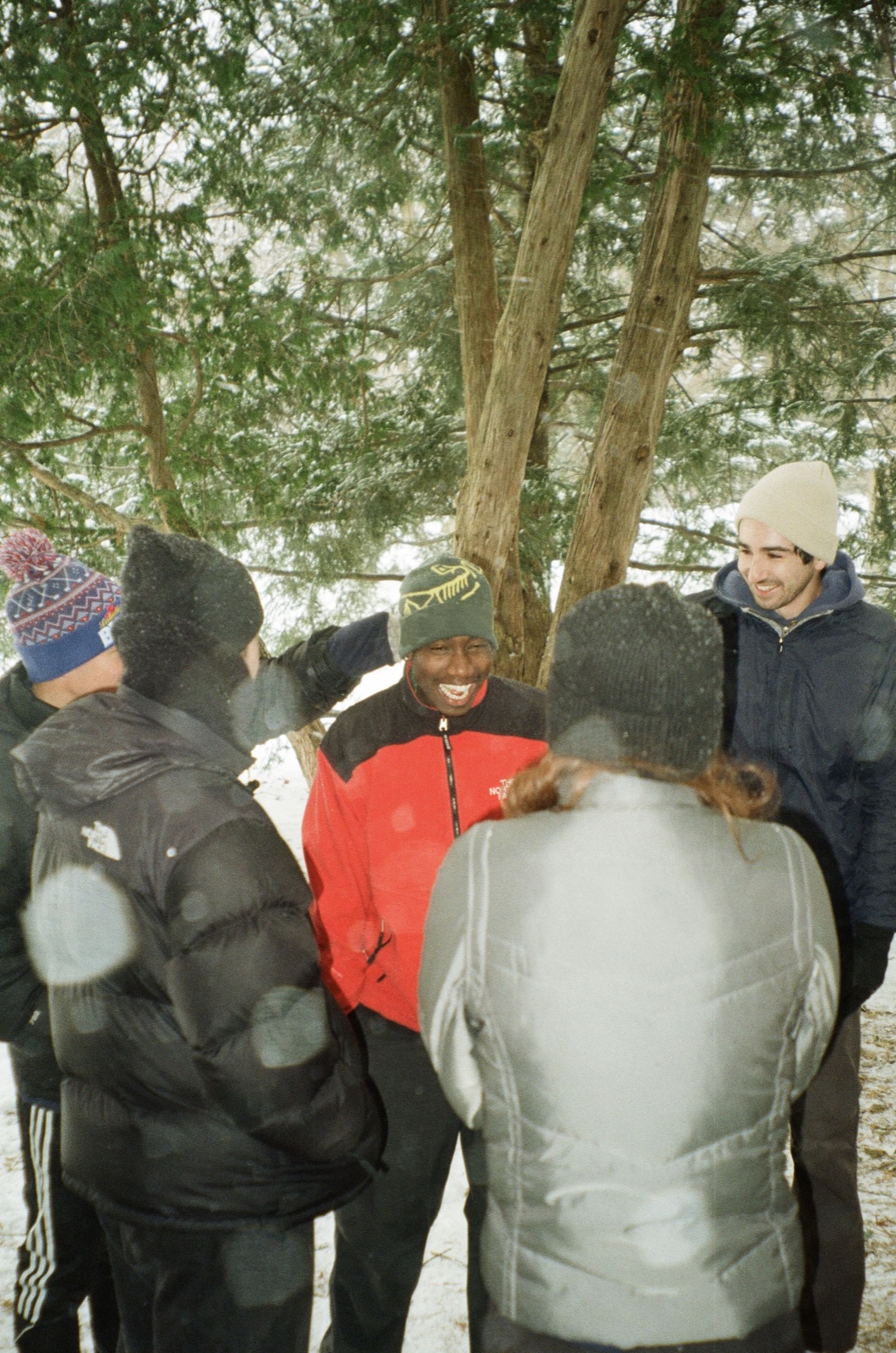
"Beer" Mile
A fast, chaotic, Thanksgiving-weekend Beer Mile at the Rose Gardens in Lyndale Park — friends, family, and the Minneapolis community moving, laughing, and kicking off the holiday together.
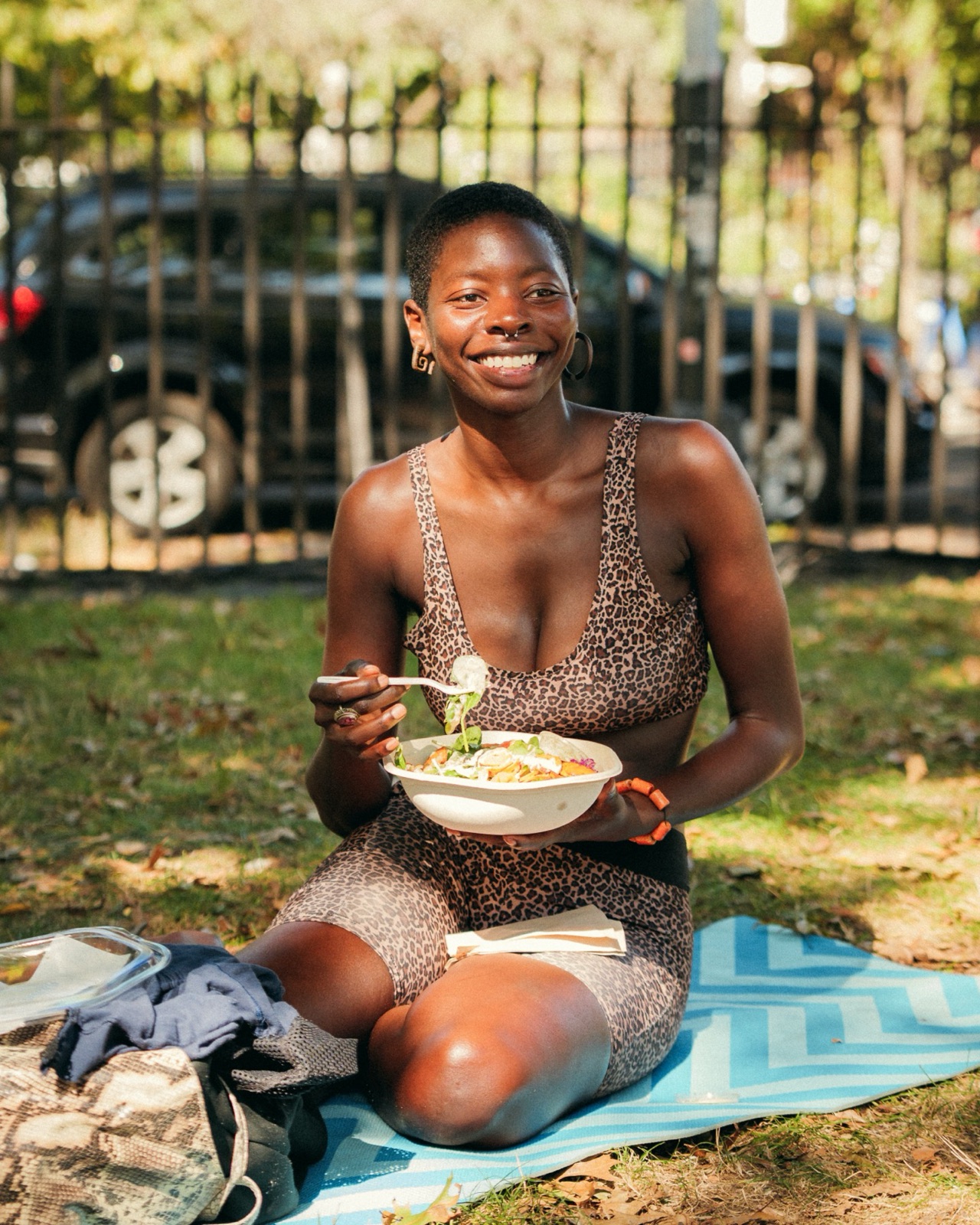
Autumn Yoga Series
A four-week yoga series, a different instructor each class. Post-movement connection over sweetgreen's seasonal bowls.
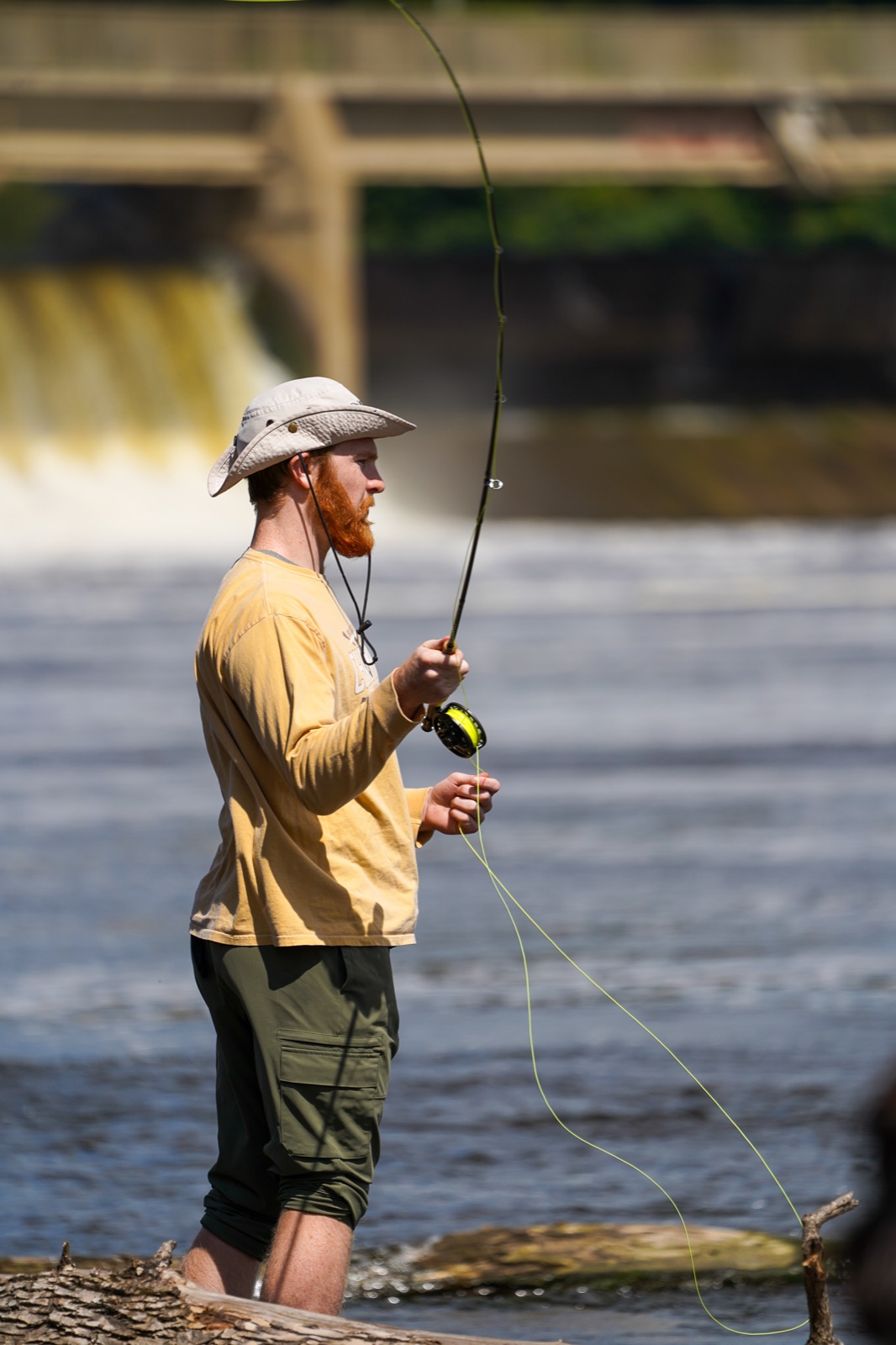
"Into the Current"
A day on the Mississippi River, instructed by the expert staff at Orvis Miracle Mile, Minneapolis.
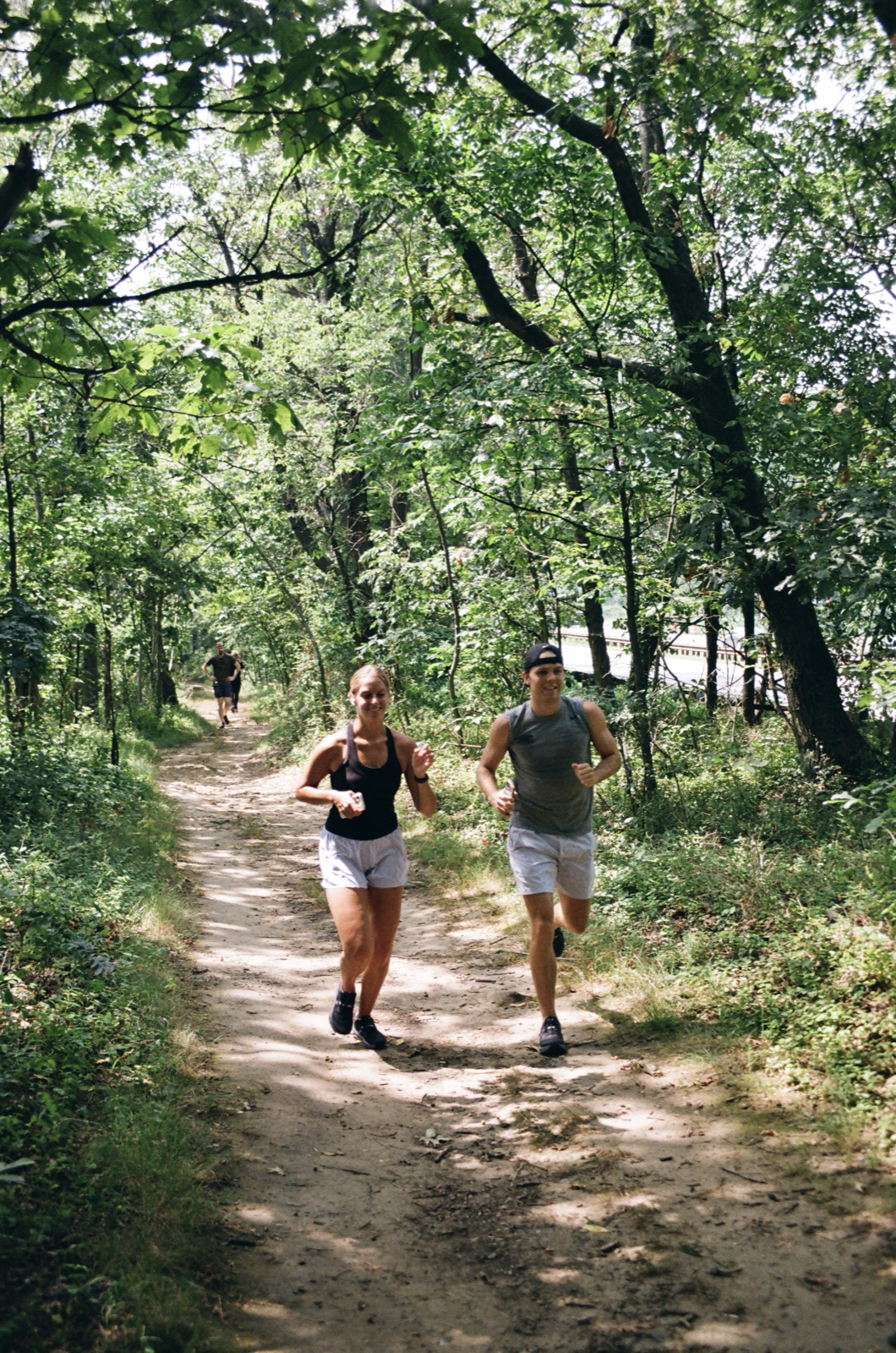
"Off the Beaten Path"
Fitted out in On's Cloudsurfer 2 & Cloudvista 2, we hit the trails in Palisades Interstate Park.
Ready to Move Together?
If your brand wants to show up in real community moments — not as a logo, but as part of the experience — let's talk.
Reach out to Eli Goldman.
eli@rallemovements.com